By Ric Obedencio | 08:02 PM November 28, 2024

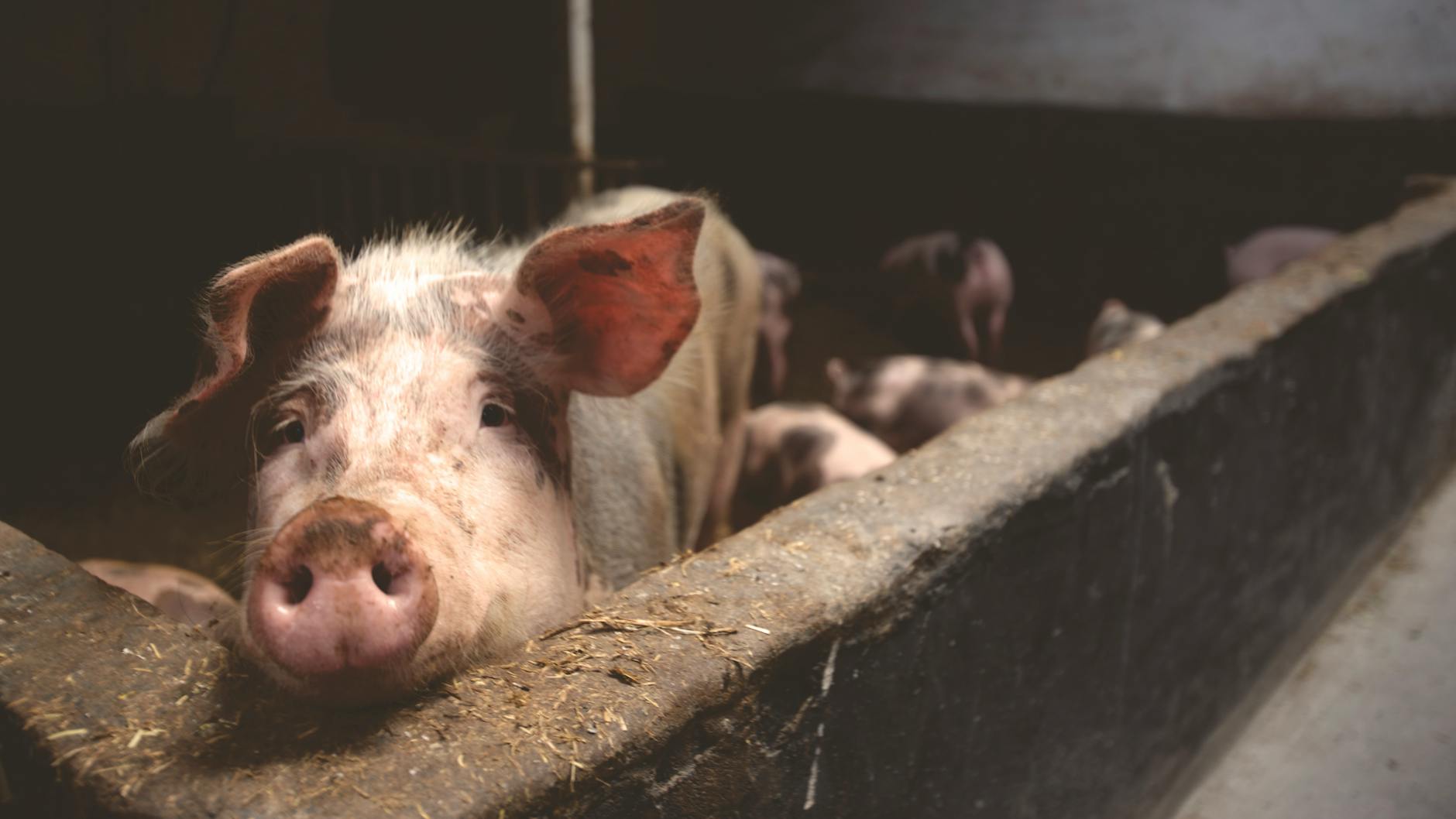
The Office of the Provincial Veterinary (OPV) confirmed that some backyard-raised hogs in puroks 3 and 6, hinterland barangay San Vicente, San Miguel town are indeed infected of the dreaded African Swine fever (ASF).
In an interview, Romulo Garcia of said office that conducted barangay information and consultation assembly yesterday confirmed this as three hogs are initially found to have positive of the plague that erupted here sometime last week. He said that it was good that the barangay folk immediately reported to them the incident.
As a result, immediately some 22 hogs within the 100-meter radius from where the positive was first discovered were killed. And the following day (Monday), another 33 hogs were also slaughtered even if they were not found positive yet of the hog contagious disease.

In separate interview, San Vicente barangay chieftain Arnel Pocpoc said that he thanked those who raised backyard hogs to voluntarily give up their pigs to be killed to prevent the disease to contaminate.
In a separate interview, hog raiser Amelia Cajes, single said that she willingly allowed the authorities to kill her 8 pigs, including a pregnant one to be killed so as not to infect other hogs in the neighborhood.
“No matter the losses, God will provide,” she said.
Another hog raiser, Isabel Gonato, 40, married in purok 6 said that 4 of her pigs, alco including the pregnant one, were disposed of for the same reason.
Garcia said that the provincial government is set to indemnify those affected. The indemnity is being prepared ranging from P1,000 to p5,000 apiece of hog. This is aside from P10,000.00 to be provided for the livelihood of those affected.
Measures to br the entry of the ASF virus were being set up, like the check points in entry and exit points of the barangay and foot bath soon. (Ric Obedencio)