By PIA-Bohol | 08:49 AM November 29, 2025

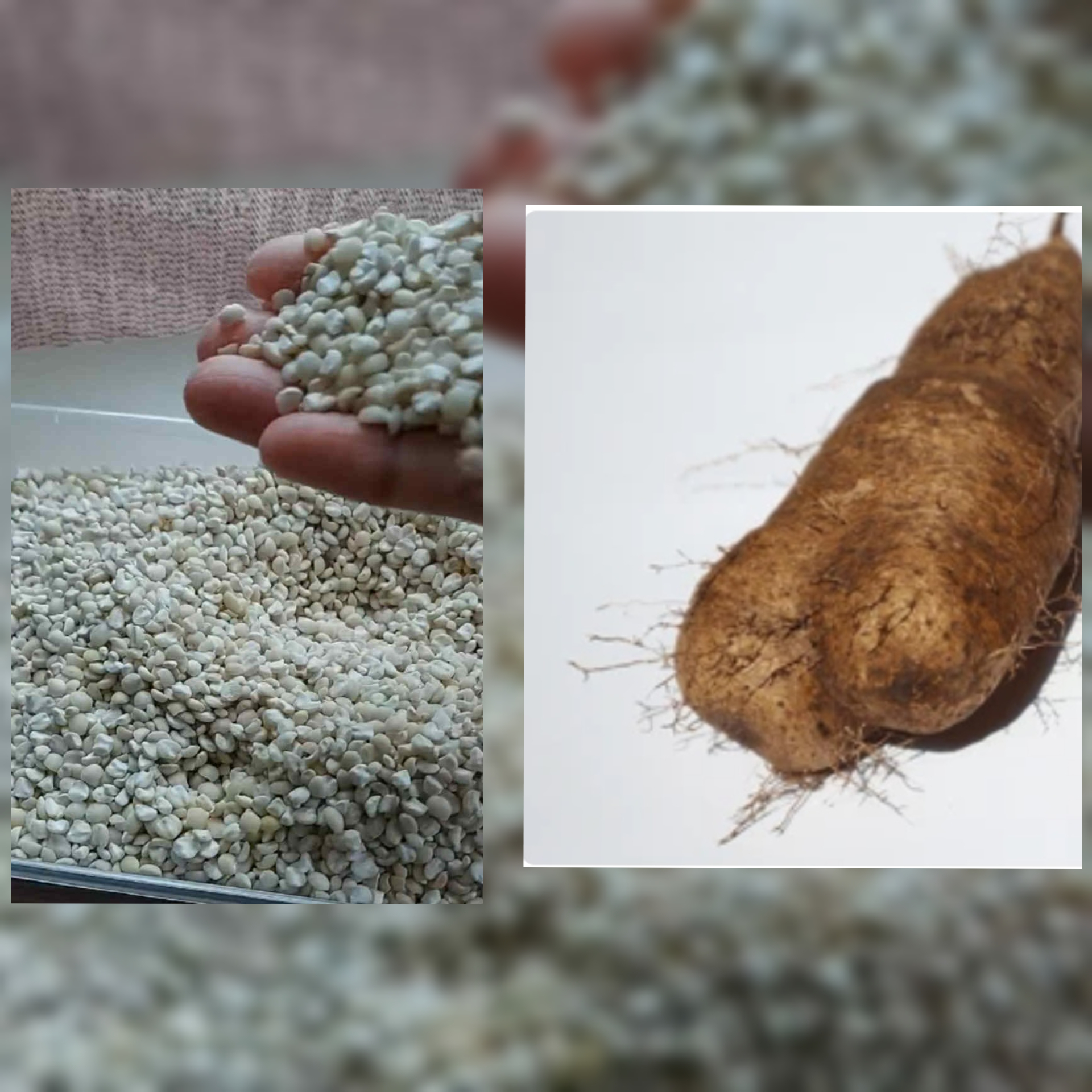
As the Department of Agriculture (DA) intensifies its ABKD campaign encouraging Filipinos to “Be RICEponsible” and make rice available for those who need it most, the agency is putting the spotlight on traditional rice extenders — including adlay and its Bohol counterpart, apali.
Under the “A” in the ABKD mnemonic, the DA promotes “adlay, mais, sab-a ug uban pa, isagol sa kan-on” to help households cut rice use by mixing it with corn grits, locally known as sinabugan, or with root crops like banana, sweet potato, ube, gabi, or cassava, a mixture referred to as sinaksakan.
Although adlay is not commonly grown in Bohol, DA Information Officer Cheryll dela Victoria said the province uses apali as a practical substitute—an adaptation recommended by the DA Regional Office and the Provincial Agriculture Office.
What is Adlay?
Widely grown in Mindanao’s highlands, adlay or Job’s tears (Coix lacryma-jobi) is a gluten-free grain packed with protein—about 12% more than rice—as well as fiber, phosphorus, iron, niacin, and B-complex vitamins. It has a low glycemic index, making it suitable for diabetics, and contains antioxidants and anti-inflammatory phytochemicals such as coixenolide.
Agriculturists highlight adlay’s climate resilience: it thrives in upland, dry, and marginal soils, resists pests and diseases, and grows with minimal inputs while offering high energy and nutrient density.
Enter Apali: Bohol’s Own Resilient Crop
Apali, or the lesser yam (Dioscorea esculenta), is likewise gluten-free and rich in complex carbohydrates that digest slowly—helping keep hunger at bay longer. It contains fiber, Vitamin C, Vitamin B6, potassium, manganese, and small amounts of magnesium.
Its resistant starch (RS2) supports gut health, stabilizes blood sugar, and is beneficial for diabetics.
Apali is also ideal for climate-resilient food production: it tolerates drought, erratic rainfall, and poor soils. As a low-input crop with steady yields, it can be grown in backyard plots and community gardens.
In Bohol, apali is remembered as a “food of hard times,” kept in hidden patches as a reserve during famine, typhoons, droughts, or conflict. Families traditionally harvest the tubers only when rice stocks run low, ensuring at least one tuber remains in each hill for natural propagation.
A Call to Reconsider Local Staples
With the DA encouraging Boholanos to reconsider adlay and apali as rice extenders or even staple substitutes, agriculturists believe these crops can help reduce the Philippines’ heavy dependence on imported rice while strengthening local food security.
By revisiting these traditional alternatives, the DA hopes households can stretch their rice supply—without compromising nutrition—and contribute to a more resilient national food system.