By I. Inojales | 10:30 PM October 24, 2026

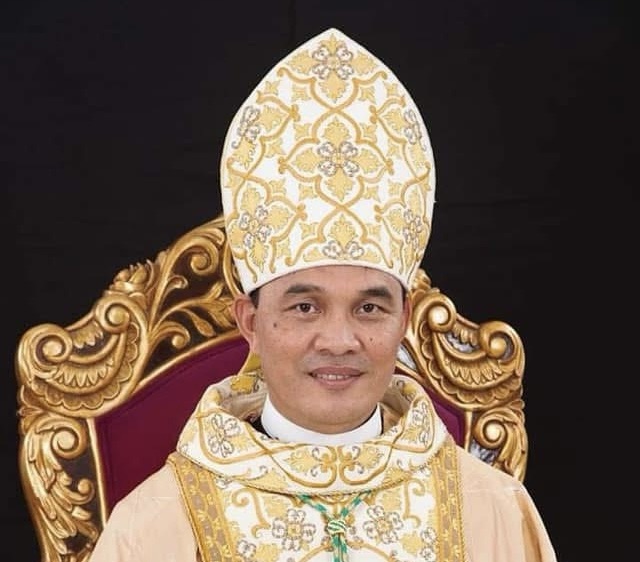
TALIBON, Bohol — Poor Catholics in the Diocese of Talibon will no longer have to worry about fixed fees when receiving the sacraments, following a decision that Bishop Patrick Daniel Parcon said should reflect the Church’s commitment to the poor.
The abolition of the diocese’s arancel system, which imposed set fees for sacramental services, emerged as one of the concrete reforms of its first diocesan synod, which ended on Oct. 23.
“We abolished the price tags for every sacrament in this diocese,” Parcon told Radyo Veritas on the sidelines of the closing events.
He said financial barriers had prevented some poor Catholics from accessing the sacraments, underscoring the need for a Church that responds to the circumstances of its most vulnerable members.
“There are so many poor people who cannot avail themselves of the sacraments because of the price tags attached to them,” he said.
The five-day synod, held on Oct. 19-23, brought together more than 220 delegates to chart the diocese’s pastoral direction as it marks 40 years of ecclesiastical life.
In his homily at the closing Mass, Parcon challenged priests and laypeople to turn the assembly’s recommendations into concrete changes rather than leave them as written proposals.
“Our synod cannot be another beautiful document that stays in a drawer. We must settle it on the way. Today, commit now,” he said.
He stressed that the synod’s work would be meaningful only if it resulted in a more inclusive Church, particularly for those who are poor, marginalized or underserved.
“Nobody should be left behind. That is the spirit of the synod,” he said.
Beyond removing financial barriers, the synod identified stronger Basic Ecclesial Communities, expanded lay participation and improved pastoral service to marginalized communities as priorities.
Parcon also called for a shift away from clericalism, urging the clergy to share responsibility with lay Catholics and focus on missionary work rather than merely sustaining existing parish programs.
“It is time to move from maintenance to mission, from clericalism to collaboration, and from programs to accompaniment,” he said.
The bishop said laypeople wanted a more active role in the Church’s mission, not merely to provide volunteer support for parish activities.
“We read that our lay faithful no longer want to be just volunteers. They want to be co-responsible disciples, collaborators in our mission,” he said.
The synod’s recommendations are expected to guide the Diocese of Talibon’s pastoral priorities in the coming years, putting its commitment to inclusion and service to the poor to the test.
For Parcon, the challenge is to ensure that the synod becomes more than a milestone in the diocese’s history: its success must be measured by how the Church serves people, especially those who have long struggled to access its ministries.


