By Marisol. Bo-oc, I. Inojales | 03:49 AM June 28, 2025
Sixteen individuals from Talibon, Bohol—including two minors—have been rescued from an alleged human trafficking scheme in Tawi-Tawi, according to the Ministry of Social Services and Development in the Bangsamoro Autonomous Region in Muslim Mindanao (MSSD-BARMM).
Jan Michelle Agata, MSSD-BARMM’s focal person for the Recovery and Reintegration Program for Trafficked Persons, said the victims were lured with a ₱20,000 cash advance intended for their families in exchange for work as fishermen in Tawi-Tawi. However, the victims ended up trapped in exploitative conditions.
“This is a clear case of debt bondage, which is a form of human trafficking,” said Agata in a phone interview in Filipino. “They were not paid for six months and were told they couldn’t leave unless they paid off the so-called cash advance—making it appear they owed their employer.”
The victims endured poor working conditions, including food scarcity and threats, and were held in the remote municipality of Languyan.
According to MSSD-BARMM information officer Jidday Lucman, the rescue operation began after seven victims escaped and were intercepted en route to Pangutaran, Sulu. They were turned over to the Department of Social Welfare and Development in Central Visayas (DSWD-7) on June 16, after receiving emergency aid in Sulu and being flown to Cebu City.
Their accounts led to a follow-up operation that rescued nine more victims from a secluded area in Languyan, where access alone required at least ₱50,000 in fuel and supplies, Agata said.
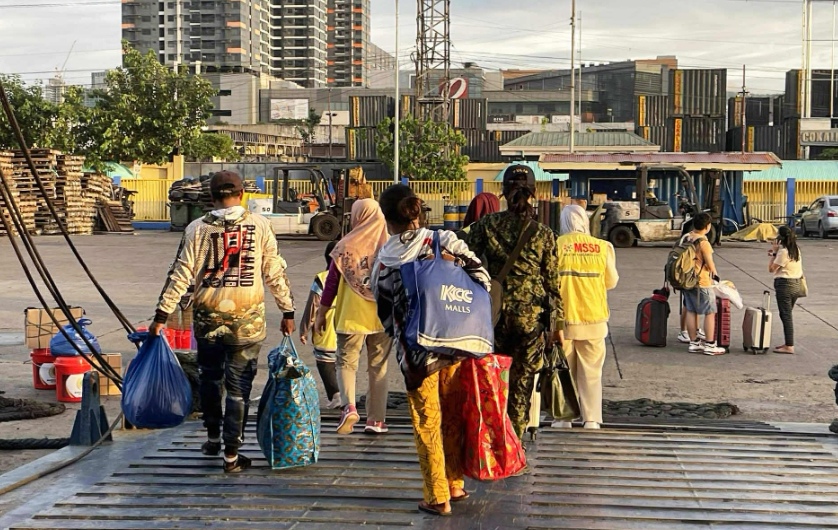
The rescue, conducted with assistance from the Philippine National Police and the Philippine Marines, was led by MSSD Minister Raissa Jajurie. The second group of victims arrived in Cebu City on June 21 and were turned over to DSWD-7 personnel.
Authorities have filed human trafficking charges against the victims’ recruiter and employer, whose identities remain undisclosed.
Lucman confirmed that all 16 rescued individuals have since been turned over to the Talibon local government unit, where they are receiving psychosocial support, livelihood assistance, and other reintegration services.