By PIA-Bohol | 06:41 AM June 08, 2025

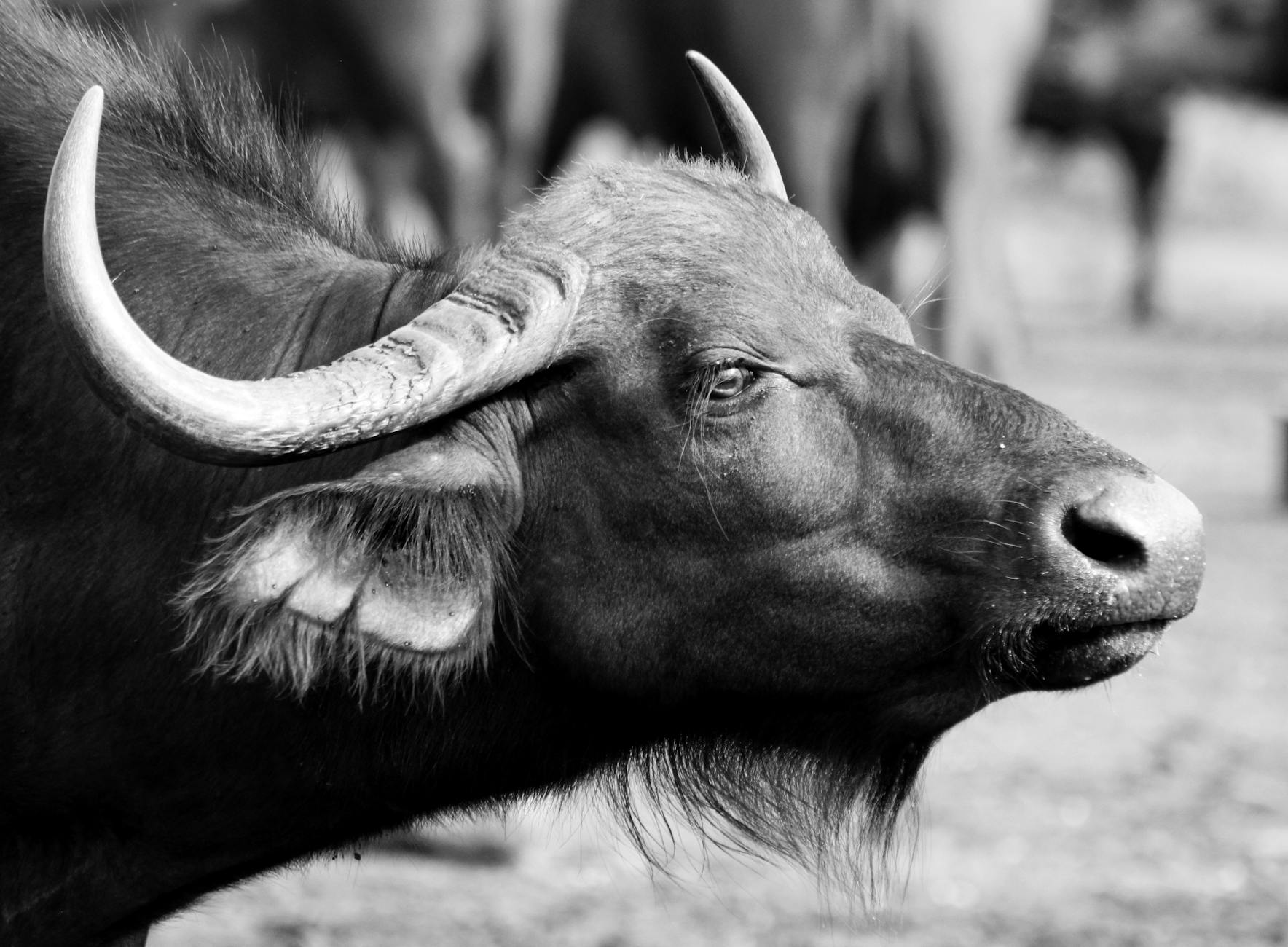
Despite a noted decrease in the production of carabao in Bohol in 2024, the Philippine Carabao Center at the Ubay Stock Farm (PCC-USF) reports a 318 percent increase in its production of genetically improved calves for dairying in the last two years.
A report from the Philippine Statistics Authority (PSA) released March 24, 2025 showed that in 2022, Bohol had 2,824.72 metric tons of carabao produced.
In 2023, it went down to 2,704.91 metric tons.
By 2024, the production volume further decreased to 2,520.68 metric tons or some -6.6 percent reduction.
Asked for their comments, PCC through their information officer Leinefe Libres-Aton admits they “do not keep a complete inventory of carabaos in the province but relies on data from the Office of the Provincial Veterinarian (OPV) and the Philippine Statistics Authority (PSA), and the office agrees that the carabao population has been steadily declining since 2017.”
PCC-USF said one factor is the decreasing birth rate versus sustained slaughter rates here.
“The annual number of carabaos born has been decreasing, while the slaughter rate continues at a steady pace,” the PCC official said.
But then, in response to this, “the PCC has significantly increased the production of genetically improved dairy-type calves from 2,035 in 2022 to 6,480 in 2024,” she remarked.
Another factor, the office said is increased farm mechanization, where the growing adoption of mechanized farming has reduced the need for draft animals, influencing farmers’ decisions to raise or maintain carabaos.
To this, PCC-USF pursued the promotion of carabao-based dairying as a complementary livelihood.
According to livestock division head of the OPV, Aida Sumampong, “the government is now buying a liter of carabao milk at P70, and a carabao, when properly maintained and nurtured can give as much as 6 liters of milk a day.”
With the option for dairying, the PCC hopes that farmer carabao adoptors of genetically improved calf for dairying can also benefit the potential of about P500 a day income from one dairy carabao.
“Bohol now is the biggest buyer of carabao milk, which it uses to implement its supplemental feeding and solve its malnutrition problems,” also reports Bohol nutrition action officer Glenda Grafilo.
Finally, the PCC sees the carabaos in Bohol as financial fall-back.
“For many farmers, carabaos serve as a financial buffer. They are often sold or slaughtered to meet urgent monetary needs, especially in times of crisis,” Aton pointed out.
PCC’s Strategic Interventions
Beyond these interventions, the PCC-USF, to fulfill its mandate to propagate, promote, and conserve the carabao as a source of milk, meat, draft power, and hide, is implementing still some more interventions.
One is increasing the diffusion rate of the herd, where through artificial insemination, better breeds are now going 20% of the herd from 17% in 2024, according to the PCC-USF.
“The goal is to further target an additional 3-percentage-point increase annually thereafter,” Aton shared.
Moreover, PCC is now into improving conception rate, from 35% in 2025 to 45% by 2030.
“The PCC USF does this through improved reproductive management and technologies,” she added.
Finally, the office is also into utilization of sex-sorted semen.
Sorting semen by sex is a method used to increase the number of female calves.
“Beginning 2025, the use of sex-sorted semen aims to produce more female calves, and this will increase the number of breedable females by 2027, thereby strengthening herd build-up and boosting milk production,” according to Aton. (PIABohol)