By PR | 10:16 AM April 05, 2024

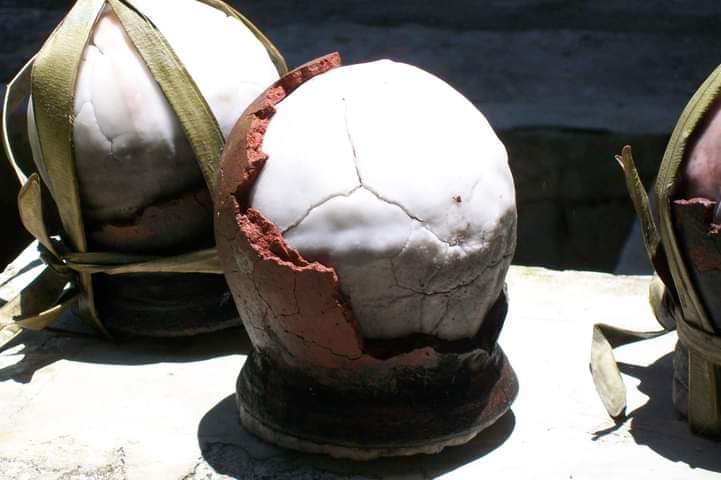
Bohol’s Asin Tibuok-making bids to make it to the list of Intangible Cultural Heritage (ICH) after the Unesco Philippine National Commission (UNACOM) announced inclusion as the country’s entry.
The announcement was made on April 3 on its Facebook when it submitted the practice for the 2025 ICH nomination list in Need of Urgent Safeguarding.
This initiative ensures the local tradition’s safeguarding and transmission to the next generation amid a more globalized and modern world, aging population, and lack of interest among communities.
The rare artisanal sea salt, made from filtering seawater through ashes, was widely produced among coastal communities in Bohol as early as precolonial times and traded in exchange for rice and other crops in the province’s highlands.
Asin Tibuok has increasingly gained popularity locally and internationally, sought after for culinary purposes due to its smokey flavor or as tourist souvenirs due to its quirky aesthetic.
Gavin Michael Cubillo, Center for Culture and the Arts Development (CCAD) project development officer, explained in an interview the impact of this initiative, especially the cultural preservation of the community and economic advantage.
“They can benefit from it with safeguarding plans to save their traditions, and we (can) promote informal education in transmitting the knowledge of Asin Tibuok-making to the local community, especially towards the younger generation, and if we can do that, the economic side will also come through,” Cubillo explained.
He added that if Asin Tibuok-making makes it to UNESCO’s ICH list, the initiative will strengthen safeguarding measures and create programs and projects that focus on the tradition’s transmission to the younger generation.
After Bohol’s designation as the Philippines’ first UNESCO Global Geopark, the dossier submission was made possible through the provincial government’s CCAD, the Bohol Arts and Culture Heritage Council, and the local government of Alburquerque.
This is part of the commitment of the provincial government to heritage preservation, aligned with its strategic governance agenda for the province’s growth and development.
Since August last year, the National Commission for Culture and the Arts, the National Museum of the Philippines—Bohol, along with local salt makers or mangasinays, pooled their efforts in the past seven months to community consultation, data consolidation, and other preparations needed in the submission.
January this year, Gov. Erico Aristotle Aumentado signed Executive Order 03 creating the technical working group tasked with complying with the requirements needed for Unesco to inscribe traditional salt-making.
According to Unesco, ICH are practices, expressions, knowledge, and skills that communities, groups, and sometimes individuals recognize as part of their cultural heritage and are transmitted through informal or formal education.
Adopted in the 32nd session of the General Conference, the Convention for Safeguarding ICH seeks awareness, heritage preservation, and promotion of place and diversity among communities through formulating international policies and programs that protect them.
While Asin Tibuok is consumed locally in Bohol, it is not currently distributed anywhere else in the Philippines after the country passed the ASIN Law in 1995. This required the addition of iodine to all salt to combat the prevalence of goiter or iodine deficiency, thus leaving salt makers no option but to abandon the tradition. (PiMO/JSS)