By Helen Castaño | 08:36 PM November 25, 2026

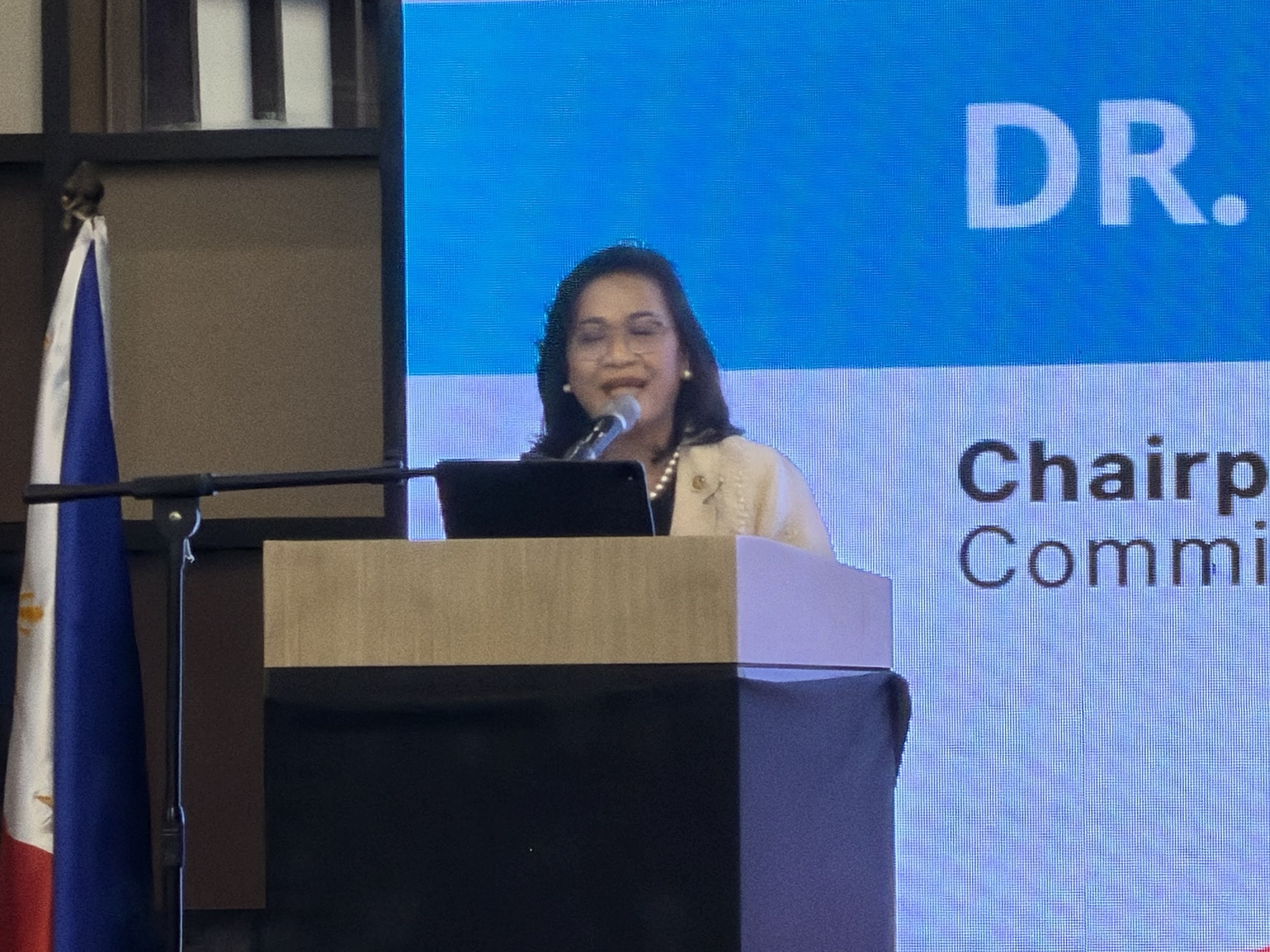
during 10th Asia-Europe Meeting of Ministers for Education (ASEMME10) on Wednesday, Nov. 25, 2026. — Helen Castaño
PANGLAO — The Commission on Higher Education (CHED) is pushing for stronger teaching methods and policies to ensure that artificial intelligence (AI) enhances university instruction without replacing students’ ability to learn, think critically and reason logically.
CHED Chairperson Shirley Agrupis said the challenge for universities was to integrate AI into education while preserving the quality of learning and the intellectual skills students need to become competent graduates.
“The human brain is the driver of AI. Garbage in, garbage out,” Agrupis said during a press conference on the sidelines of the 10th Asia-Europe Meeting of Ministers for Education (ASEMME10) on Wednesday, Nov. 25 in Panglao.
Agrupis said AI was already being used as a tool to expedite tasks, making it necessary for higher education institutions to strengthen their pedagogy and ensure that students continued to develop critical thinking and logical reasoning.
She said CHED had developed policies to guide the use of AI in higher education, emphasizing that these were intended to protect the quality of instruction while allowing universities to benefit from the technology.
“We have to safeguard the quality of the human brain to think critically and logically,” she said.
Agrupis said AI was among the issues taken up during the education ministers’ meeting, particularly the role of universities in preparing graduates for the changing demands of society and the workplace.
The meetings, held from Nov. 24 to 26, brought together education officials and academic representatives from Asia and Europe to discuss cooperation in higher education.
The discussions covered the blue economy, green and digital transitions, lifelong learning, inclusion and academic mobility.
Agrupis said the Philippines was also seeking to expand international cooperation in research, innovation and advanced training programs for university professors.
During the senior officials’ meeting, participants discussed micro-credentials, recognition of prior learning and differences in terminology and approaches among participating countries.
Agrupis said the discussions could help countries improve academic programs and recalibrate policies to facilitate cooperation across borders.
Education cooperation
ASEM Secretariat Head Professor Luca said international dialogue and sustained commitments were essential to strengthening cooperation between Asia and Europe.
“Education is a sector without borders. Everyone, professors and students, recognize each other, recognize quality,” Luca said.
He said cooperation could provide scholarships, promote the exchange of ideas and allow countries to adopt successful practices while respecting cultural differences.
Luca also stressed the importance of creating an environment that would encourage students and academics to remain in their home countries after completing their studies abroad.
He said the discussions would culminate in the adoption of the chairs’ conclusions at the end of the meeting.