By Helen Castaño | 01:08 PM November 25, 2026
PANGLAO, Bohol — The Philippines is pushing for stronger research collaboration and academic exchanges across Southeast Asia through a new regional digital platform that will connect universities, researchers, governments and industry partners.
The ASEAN Global Exchange for Mobility and Scholarship Plus (ASEAN GEMS+) prototype was presented on Tuesday, Nov. 24, during the Second Asia-Europe Meeting (ASEM) Senior Officials’ Meeting (SOM2) in Panglao, Bohol.
The initiative is among the landmark outcomes of the Philippines’ 2026 ASEAN chairship and seeks to expand opportunities for research funding, academic mobility and innovation among the 11 ASEAN member states.
Developed by the Commission on Higher Education (CHED) in partnership with Education Malaysia Global Services (EMGS), ASEAN GEMS+ builds on the original ASEAN GEMS platform launched in February 2025.
The expanded platform will provide a centralized repository of research grants, researchers and industry-funded research opportunities. It will also offer grant-matching mechanisms, integrated application and reporting systems, and tools to monitor contributions to the United Nations Sustainable Development Goals.
CHED said the platform would help address barriers to research funding and encourage universities and research institutions to establish partnerships beyond national borders.
The prototype was demonstrated to education ministers, the ASEAN Secretariat and other regional stakeholders to introduce its initial features and gather recommendations for further development.
During the ceremonial unveiling at the ASEMME10 gala dinner on Wednesday, Nov. 25, CHED Director Shirley Agrupis invited European partners to contribute ideas and opportunities to expand the platform’s reach.
“With the presence of our friends in Europe, we hope to invite everyone to bring in our ideas and opportunities not only for ASEAN but for all over the globe,” Agrupis said.
She said the initiative reflected a shared aspiration among countries with different cultures and backgrounds to build a borderless future.
The platform is expected to become fully operational during RISE 2027 in Kuala Lumpur, Malaysia, on March 22 to 24.
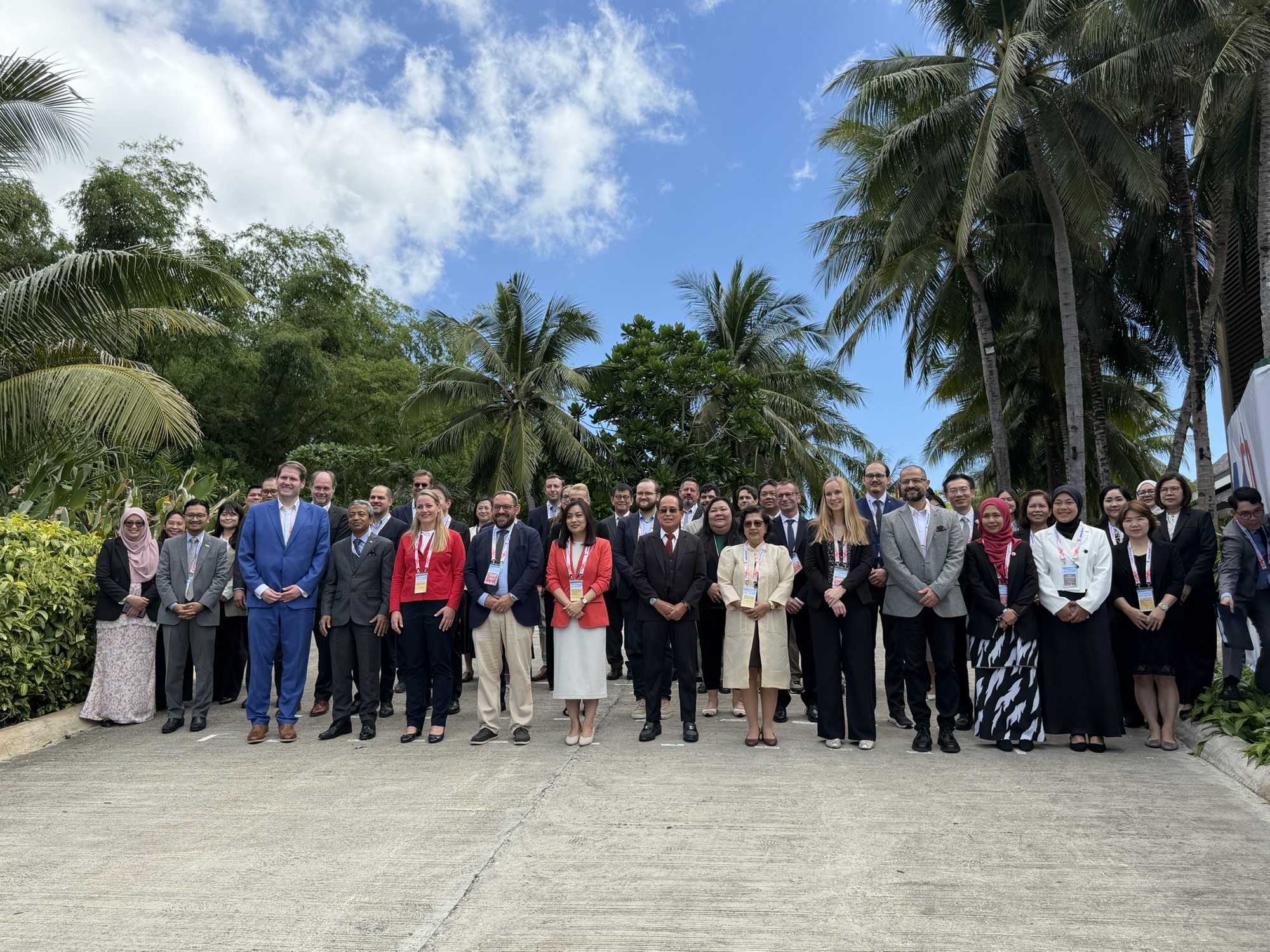
Its development comes as the Philippines hosts the Second ASEM Senior Officials’ Meeting and the 10th ASEM Education Ministers Meeting (ASEMME10) from Nov. 24 to 26, bringing together education officials and academic representatives from Asia and Europe.
The meetings are also addressing challenges and opportunities in higher education, including the blue economy, green and digital transitions, lifelong learning, recognition of qualifications and international student exchanges.
CHED Commissioner Michelle Ong highlighted the potential of the blue economy in strengthening research cooperation, particularly among the Philippines’ 20 island universities.
She said geographical isolation and costly inter-island travel had limited some institutions’ access to research networks and international academic partnerships.
Ong said connecting Philippine island universities with institutions in Asia and Europe working on similar coastal concerns could open opportunities for joint research and cooperation.
“Because after all, it’s one ocean that connects all,” she said.
Prof. Luca Lantero, head of the ASEM Education Secretariat, said meaningful institutional partnerships were among the most important outcomes of the Asia-Europe Education Process.
He said cooperation should translate into opportunities for students, teachers and researchers through knowledge exchange and mutual understanding.
In his message delivered by Vice Gov. Nicanor Besas, Gov. Erico Aristotle Aumentado welcomed the international delegates to Bohol and underscored the importance of resilient and inclusive education.
He said higher education institutions must equip young people with the skills and values needed to address shared global challenges.
Aumentado added that Bohol’s experience in overcoming adversity could provide valuable lessons as participating countries discuss sustainability, education and academic mobility.