By I. Inojales | 10:47 AM June 24, 2026

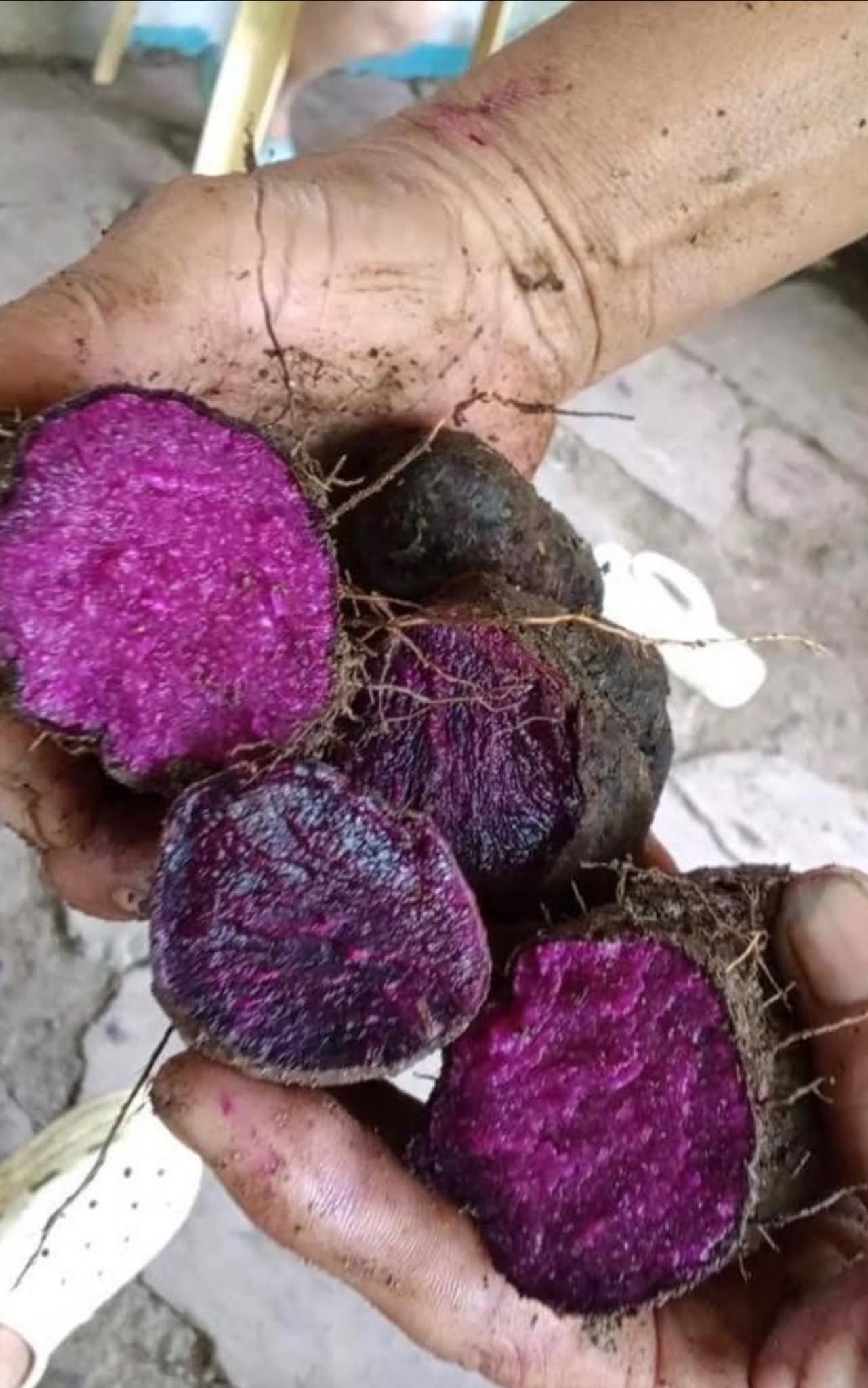
The Department of Agriculture (DA) has distributed 60,000 ube (purple yam) planting materials to farmers in Leyte and Bohol to help expand the country’s growing ube industry.
The initiative, implemented through the Bureau of Plant Industry (BPI), aims to boost ube production and increase farmers’ incomes as demand for the crop continues to rise in both local and international markets.
The P2.6-million project benefited about 900 farmers belonging to more than 60 farmer organizations across major ube-producing areas in the Visayas. In Bohol, recipients came from the towns of Dagohoy, San Isidro, Lila, Cortes, and Albuquerque.
In Leyte, beneficiaries were located in the municipalities and cities of Abuyog, Tacloban, Baybay, Bato, Maasin, Ormoc, Carigara, Mayorga, Palompon, Naval, Mahaplag, Kananga, Burauen, Calubian, and Inopacan.
BPI Director Glenn Panganiban said the program seeks to ensure that Filipino farmers benefit from the expanding global market for ube.
“As ube gains worldwide recognition, we must ensure Filipino farmers are positioned to take advantage of the opportunities it creates,” Panganiban said.
He added that the initiative lays the groundwork for higher production, improved farmer earnings, and a stronger domestic ube industry.
The DA said regular field monitoring and validation activities are being conducted to assess the use of the distributed planting materials and gather feedback from farmer-beneficiaries. The monitoring also aims to ensure that government assistance reaches intended recipients and contributes to increased farm productivity and income.
Agriculture Secretary Francisco Tiu Laurel Jr. said the government is continuing to identify agricultural products with strong export potential to help raise farmers’ incomes and reduce the country’s agricultural trade deficit.
“With ube now enjoying global recognition, we see an opportunity to expand production, increase exports, and help reduce the country’s more than USD10-billion annual agricultural trade deficit,” Tiu Laurel said.