By I. Inojales, Helen Castaño | 08:06 PM February 27, 2026

TAGBILARAN CITY – In a decisive move to strengthen marine conservation and regulate wildlife tourism, the Sangguniang Panlalawigan of Bohol on Friday, February 27, 2026, approved on third and final reading Provincial Ordinance No. 2026-04, or the “Enhanced Sustainable Marine Wildlife Interaction Ordinance of the Province of Bohol.”
The measure, passed during a Special Session of the 30th SP presided over by Vice Governor Nick Besas, amends Provincial Ordinance No. 2020-008 and introduces a more comprehensive, science-based framework governing all marine wildlife tourism interaction activities within the province.
Authored and sponsored by Board Member Lucille Lagunay and co-sponsored by several members of the provincial board, the ordinance reinforces Bohol’s policy that marine wildlife health, animal welfare, and ecosystem integrity shall always prevail over tourism demand and commercial interest.
Stronger protection measures
The ordinance formalizes a strict “No Approach, No Interaction” policy and establishes clearly defined zones in all marine wildlife interaction sites, including:
No Approach and No Interaction Zones, which are strictly off-limits to vessels, aircraft, and persons;
Interaction Zones, where regulated viewing may occur; and
Waiting Zones, where boats and guests must stay while awaiting their turn.
Feeding, baiting, chasing, touching, surrounding, or otherwise harassing marine wildlife is expressly prohibited. The law also bans flash photography, underwater drones, jet skis, anchoring within interaction areas, and the use of harmful sunscreen products during in-water activities.
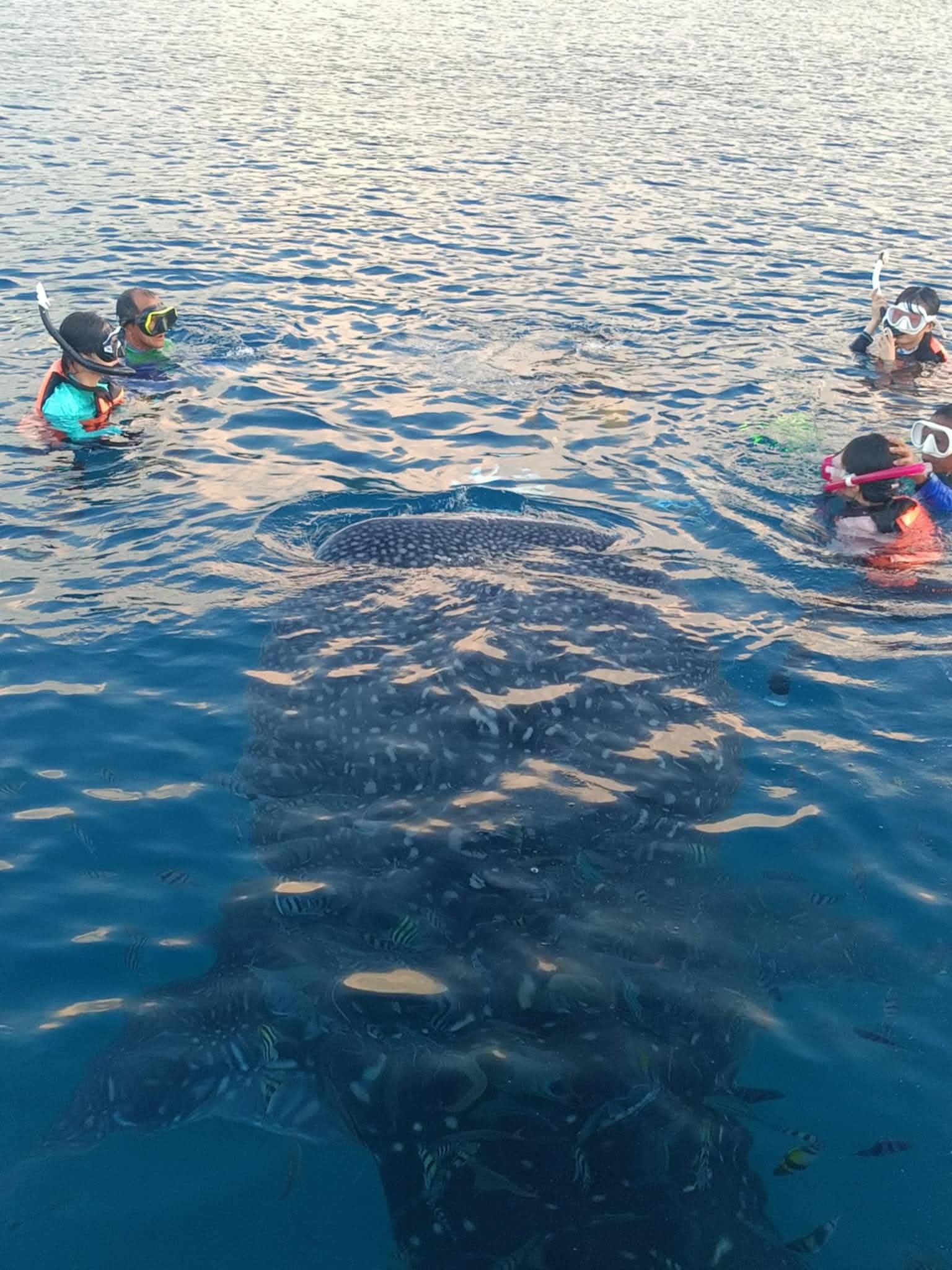
In-water interaction with cetaceans such as dolphins and whales is strictly prohibited. Specific distance requirements are imposed per species — for example, a minimum of 3 meters from a whale shark’s body and 4 meters from its tail for swimmers, and at least 50 to 100 meters distance for sea vessels depending on the species.
Carrying capacity and seasonal limits
To prevent overcrowding and ecological stress, the ordinance mandates the establishment of a carrying capacity for every marine wildlife interaction site, to be determined by the Department of Environment and Natural Resources (DENR).
No operator may exceed the approved limits on the number of vessels, guests, or interaction hours.
Dedicated marine wildlife tourism seasons must strictly follow the natural migratory and aggregation patterns of the species concerned. Outside the prescribed season, interaction activities are prohibited except for scientific research, conservation monitoring, rescue, or emergency response.
Maximum observation time per interaction is also limited — ranging from 20 minutes for dugongs to 30 minutes for whale sharks, manta rays, marine turtles, and other species.
Strict accreditation and compliance requirements
The ordinance requires all operators to secure a Certificate of Compliance (COC) issued with the Governor’s approval before conducting any marine wildlife tourism activity. No Mayor’s Permit or other clearance shall substitute for the COC.
To qualify, operators must:
Be at least 60 percent Filipino-owned (if a corporation); secure DOT accreditation and MARINA registration; provide proof of environmental compliance;
ensure trained and accredited marine wildlife guides; maintain seaworthy vessels with propeller guards, GPS, and safety equipment;
provide insurance coverage for guests and crew; establish proper waste management, sewage systems, and emergency response mechanisms; and implement an online booking and monitoring platform to regulate visitor flow and carrying capacity.
Each boat is limited to a maximum of 10 persons, including crew, and must operate within prescribed speed limits to avoid disturbing wildlife.
Creation of oversight bodies
To ensure unified implementation, the ordinance institutionalizes three key bodies:
Sustainable Wildlife Tourism Advisory Board – composed of regional heads of DENR, DOT, DILG, BFAR, and other agencies, along with provincial officials, academe, NGOs, and private sector representatives. The Board will review policies, recommend issuance or suspension of COCs, and oversee compliance.
Technical Working Group (TWG) – tasked to conduct scientific and technical evaluations, feasibility studies, and policy recommendations.
Task Force Marine Wildlife (TFMW) – a composite inter-agency enforcement team composed of DENR, BFAR, Philippine Coast Guard, PNP Maritime Group, provincial offices, host LGUs, and Bantay Dagat to conduct monitoring, inspection, and joint enforcement operations.
The Bohol Provincial Environment Management Office (BPEMO) is designated as the primary implementing office and secretariat.
Protection of marine patrimony
The ordinance underscores Bohol’s unique ecological significance. The waters within the province and the greater Bohol Sea form part of the Coral Triangle biodiversity hotspot and host at least 18 species of cetaceans, seasonal aggregations of whale sharks and manta rays, marine turtles, dugongs, and diverse reef ecosystems.
As the country’s first Unesco Global Geopark, Bohol commits to internationally recognized conservation standards, integrated ecosystem management, and science-based tourism governance.
The measure also affirms that marine wildlife constitutes part of Bohol’s natural patrimony and ecological inheritance, which must be protected for present and future generations.
Penalties and funding
Violators face fines of P5,000 per violation or per day of illegal operation, possible imprisonment of up to six months, suspension or revocation of permits, and additional penalties under national laws such as the Wildlife Resources Conservation and Protection Act and the Expanded National Integrated Protected Areas System (Enipas) Act of 2018.
The ordinance allocates P2 million annually from the provincial government for its implementation.
Provincial officials described the measure as a landmark environmental policy that balances tourism development with conservation, ensuring that Bohol’s marine wildlife tourism remains ethical, safe, sustainable, and firmly grounded in the protection of wildlife welfare and ecosystem integrity.