By Ric Obedencio | 02:48 PM August 24, 2024
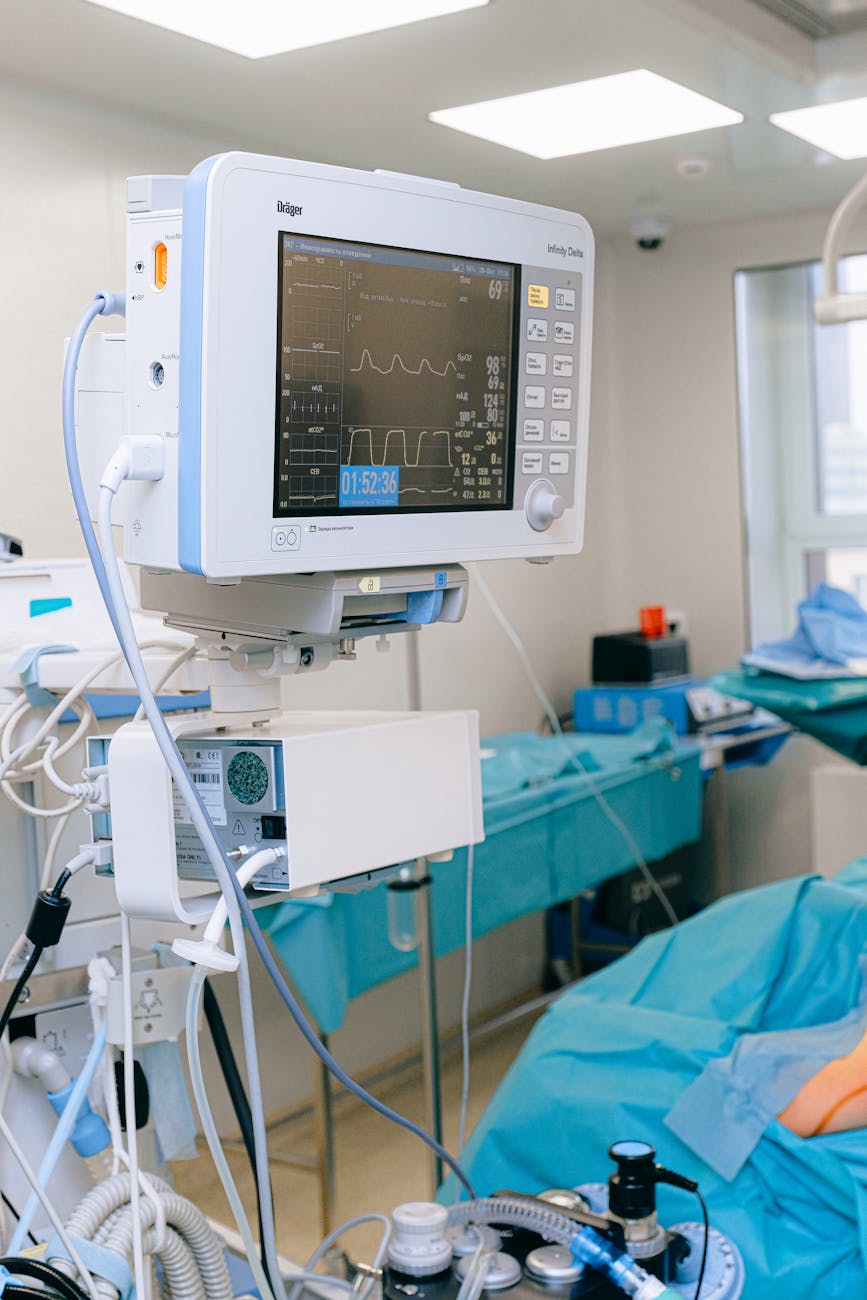
Provincial Health Officer Dr. Cesar Tomas Lopez assures Boholanos that the government has activated all its monitoring teams, equipped its hospitals and Rural Health Units with thousands of dengue kits as cases in Bohol soar to 5,169 in its 33rd morbidity week since January 1 to August 17.
Officially reported now with 12 deaths (not 13 as earlier reported), dengue with highest recorded case in Inabanga at 550 and 2 deaths, followed by Tagbilaran City at 480 cases with 3 deaths and Ubay at 262 cases and 1 death, is however showing signs of decrease with weekly reported cases now below 400 compared to the ones during the 31st morbidity week.
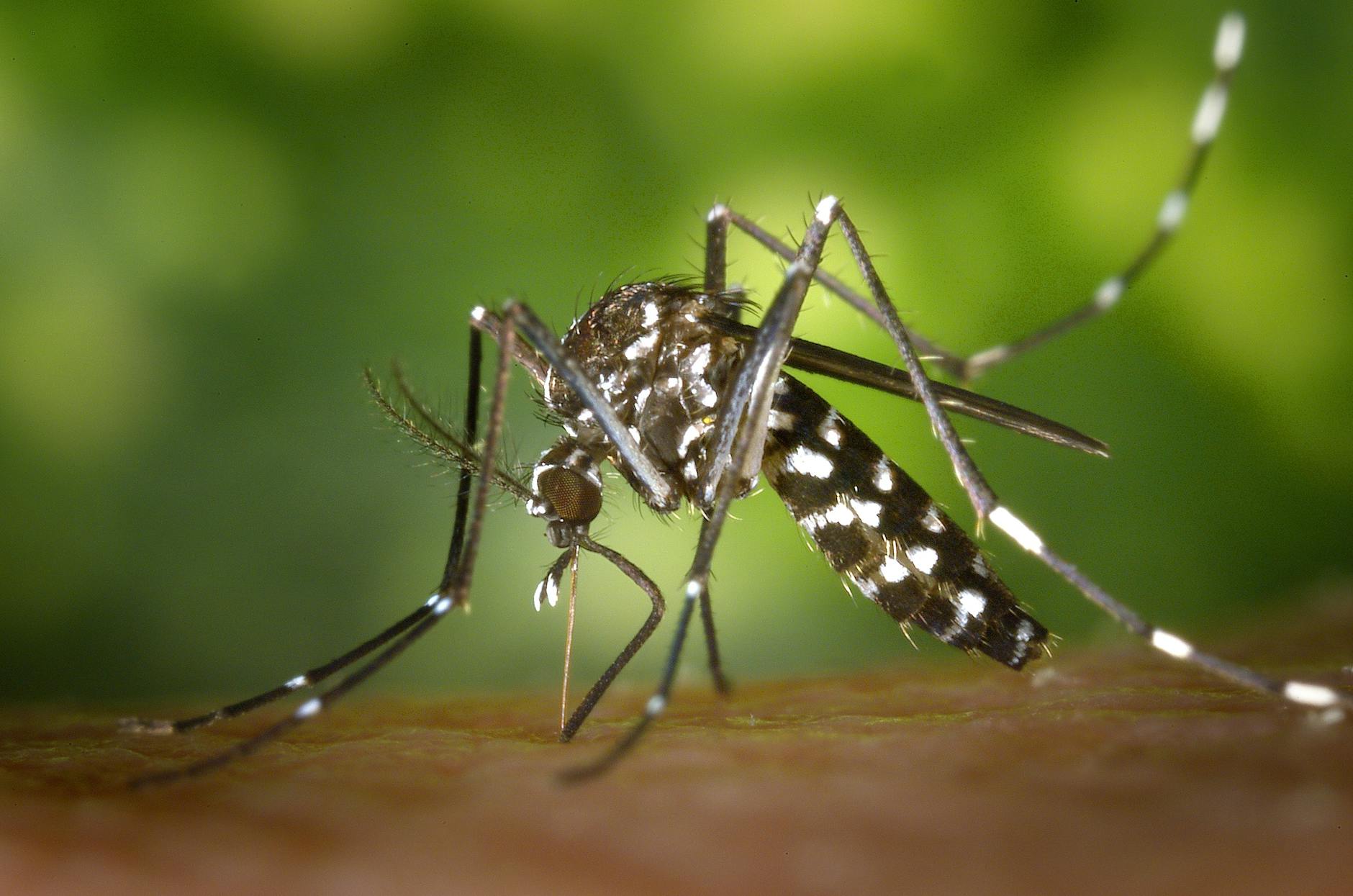
Dengue, a viral infection that spreads from mosquitoes to men, and while many dengue infections can be without symptoms and be well within a day to two weeks, while those that manifest signs of the disease would, within 4–10 days after infection feel high fever of 40°C, severe headache, pain behind the eyes, muscle and joint pains, nausea, vomiting, swollen glands and rashes.
Symptoms of severe dengue symptoms often come after the fever has gone away, and these signs include severe abdominal pain, persistent vomiting, rapid breathing, bleeding gums or nose, fatigue, restlessness, blood in vomit or stool, being very thirsty, pale and cold skin and feeling weak.
As viral disease, heath authorities agree that there is no specific treatment for dengue, so that according the Dr. Lopez, the main focus is on treating pain symptoms, which can be done at home, with pain medicine.
“Labing daghan hinuon aning dengue, mo-positive lang, pero kon imong himoan ug platelet count, normal ra kaayo,” he added stressing that not all cases should be brought to hospitals to reduce chances of swamping the health system.
Speaking at the recent Kapihan sa PIA, the Provincial Health Officer explained that, of the over 5,000 cases, many have recovered and the authorities are now looking at the active cases.
“We assure that public that our 10 District hospitals and Rural Health Units are capacitated and equipped with supplies,” Dr. Lopez said.
We have also activated our Rural Health Units to proactively monitor. They already have testing kits, we even added another 2900 kits which we would distribute to all government hospitals.
He said the basic treatment for dengue is rehydration he said.
The pathology of the dengue virus is that it attacks on the capillaries walls, leaking the plasma, which can lead to severe dehydration leading to multiple organ failure.
To this, he said the Capitol has purchased some testing kits and the latest P3.3M worth of intravenous fluids, just to make sure that no one gets to the point of getting dehydrated.