By PR | 11:46 PM May 12, 2024

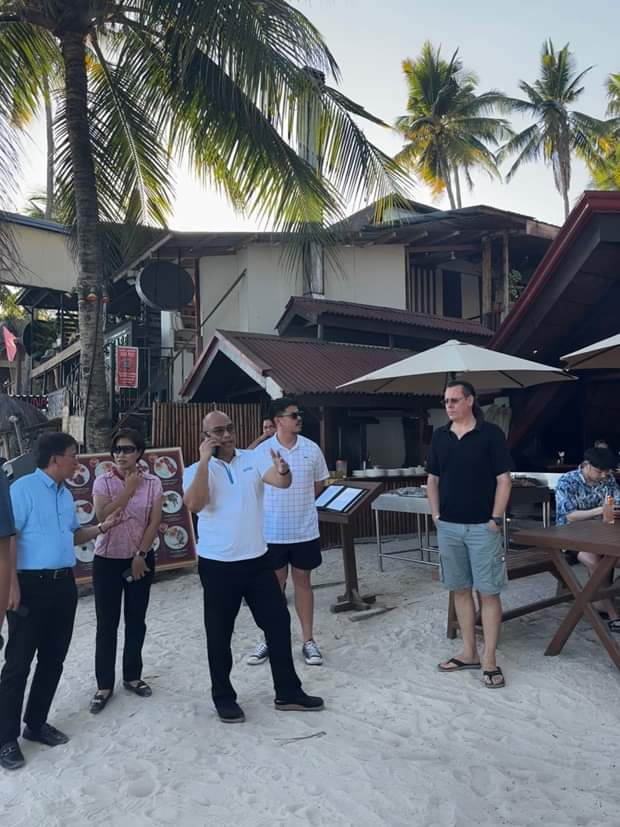
The long-awaited rehabilitation of Alona beach and Balicasag island in Panglao will finally start rolling with the creation of Task Force “Alona” and the promise of funding.
This was confirmed in the May 10 edition of The Capitol Reports which was attended by resource persons including Vice Mayor Noel Hormachuelos, Engr. Gio Caberte of the Department of Public Works and Highways, Joanne Pinat, Provincial Tourism Office OIC; Uco Trotin, Alona Beach Community Association Inc. president; and Police Maj. Cresente Gurrea, Bohol Tourist Police Unit chief under the Bohol Provincial Police Office.
Gov. Erico Aristotle Aumentado earlier issued Executive Order No. 12 Series of 2024 creating the Task Force to support the enforcement of policies or sustainable use and preservation of Alona Beach and other beaches in Panglao.
Aumentado issued the executive order to strengthen the policies and programs for rehabilitating tourism spots especially the Alona Beach, Panglao, and Balicasag Island.
Despite being one of the top economic drivers of the province, Alona and other resorts in Panglao have been suffering for decades from environmental problems due to unregulated development, lax enforcement of laws, and a continued surge in tourist arrivals.
The Office of the Mayor of Panglao also issued Executive Order No. 19 prescribing policies for the sustainability and preservation of Alona Beach and other beaches in the town.
The protection of the shorelines of Alona and give a better experience of Alona to locals and tourists also prompted the creation of the Inter-Agency Task Force (IATF).
As this developed Pinat revealed that the Department of Tourism – Tourism Infrastructure and Enterprise Zone Authority (TIEZA) has committed P100 million for the rehabilitation of Alona Beach.
During the same forum, it was pointed out that the participation of the Department of Public Works and Highways and the Department of Environment and Natural Resources is crucial particularly in the application of the laws governing easement and the shorelines.
The law mandates that no structures, facilities, or vendors will be allowed to be constructed within 20 meters from the waterline to the inland area while fire dancing activities on the shoreline are also prohibited.
The road leading to the beach will now be closed to traffic except for service vehicles bringing supplies and guests of establishments in the area.
Another issue confronting the tourism industry in Alona is waste management.
With Panglao facing issues of waste management, Trotin said they are hiring and collaborating with experts for consultations to allow the thriving community to grow through a sustainable approach without compromising the protection of the environment.
Trotin pointed out that while there is no perfect solution for now, the efforts and consultations between the government and stakeholders are continuing.
For his part, Hormachuelos said there are two factors that cause these issues and concerns: natural phenomenon occurrences such as climate change and the level of seawater.
“But with engineering intervention and full support of the local, provincial, and national government, we are positive that all of this will be addressed soonest time,” he added.
To make the project sustainable, the local government unit of Panglao revised its municipal ordinance regulating the use and the management of the beachfront easement in the entire municipality.
The rehabilitation of Alona Beach will include slope protection or enhancement of seawalls, sand erosion prevention, and tree preservation along the coastline in Barangay Tawala.
In the long run, Task Force Alona will turn its focus on ensuring that sewage facilities, proper drainage, sustained water quality, and regulation of dive shops are in place. (PIMO/RJG)