By Helen Castaño | 08:53 AM November 29, 2026
TAGBILARAN CITY — The Catholic bishops of Bohol have called on Filipinos, particularly the youth, to reflect on political dynasties, responsible citizenship and the need to protect democratic institutions, saying public office should be treated as a sacred trust rather than private property.
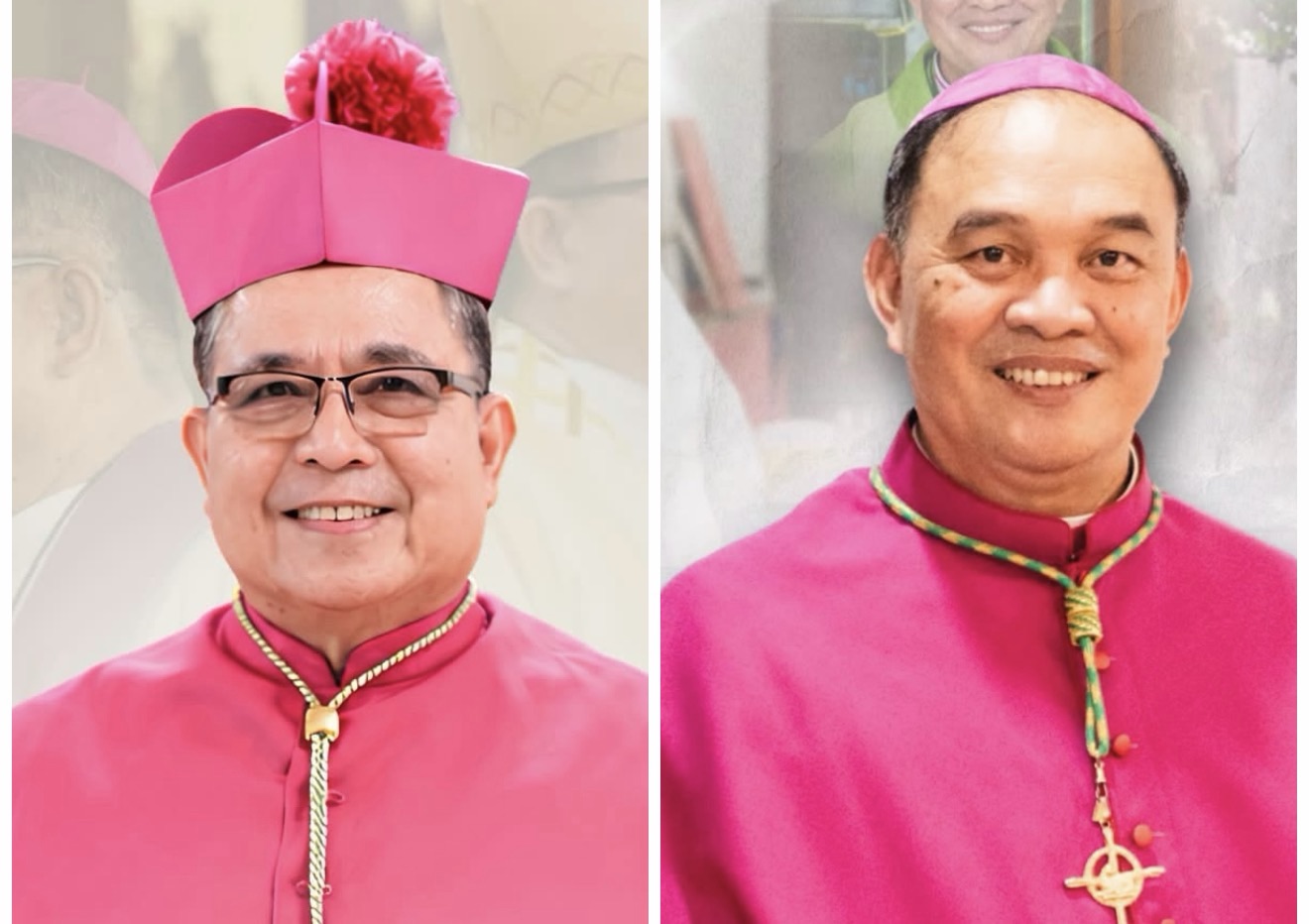
In a joint pastoral letter issued during the celebration of National Youth Day, Tagbilaran Bishop Crispin B. Varquez and Talibon Bishop Patrick Daniel Parcon urged the faithful to take part in the national conversation on the “Dapat ISA Lang” initiative.
The bishops said their letter was intended to help form the consciences of citizens according to the Gospel and the social teachings of the Church, and was not meant to endorse or oppose any candidate, political party or political family.
“Public office is not private property but a trust the people give for the service of all,” the bishops said, citing Jesus’ teaching in Matthew 20:26: “Whoever wishes to be great among you must be your servant.”
They stressed that those entrusted with public authority should serve everyone, particularly the poor and marginalized.
Focus on the political system
The bishops clarified that their pastoral letter was not directed against any individual or political family, acknowledging that many public servants from political families had served their communities with dedication and integrity.
Their concern, they said, was the condition of democratic institutions and the welfare of future generations.
“The important question is this: Is our political system truly open to all qualified citizens who wish to serve?” they said.
They emphasized that democracy required more than elections, including transparency, accountability, fair opportunities and the peaceful transfer of leadership.
The bishops said the political system should allow new voices, ideas and leaders to emerge and serve the people.
They also urged the faithful to examine whether the voices of the poor and marginalized were being heard, whether institutions were transparent and accountable, and whether leaders were being chosen based on integrity and competence.
Call for responsible voting
The bishops said political renewal also depended on voters, urging them to examine their own choices and motivations during elections.
They asked whether voters chose candidates merely because of their family names, relied on truthful information and were willing to criticize wrongdoing even when committed by political figures they supported.
“Political renewal requires not only institutional reform but also conversion of heart,” they said.
They also called on the public to resist political divisions that could damage relationships within families, friendships and communities.
The bishops reminded the faithful that differences in political views should not undermine their unity as Christians.
“Truth must always be spoken with love, and love must never be separated from truth,” they said.
Appeal to young people
The pastoral letter encouraged young people and all Catholics to study the principles of democracy and the Church’s social teachings, reject misinformation and disinformation, and avoid hatred, intimidation, vote-buying and vote-selling.
The bishops also called on the faithful to respect the dignity of every voter and fulfill their civic responsibilities according to a properly formed conscience.
They said the letter was an invitation to reflect on the kind of politics and leadership that Filipinos wanted to pass on to future generations.
The bishops called for a Philippines where leadership was marked by integrity, institutions were transparent and accountable, and political decisions were guided by the common good.
“Does it serve the common good?” they asked, identifying this as the fundamental question that should guide every political decision.